Shambhavi Saparia
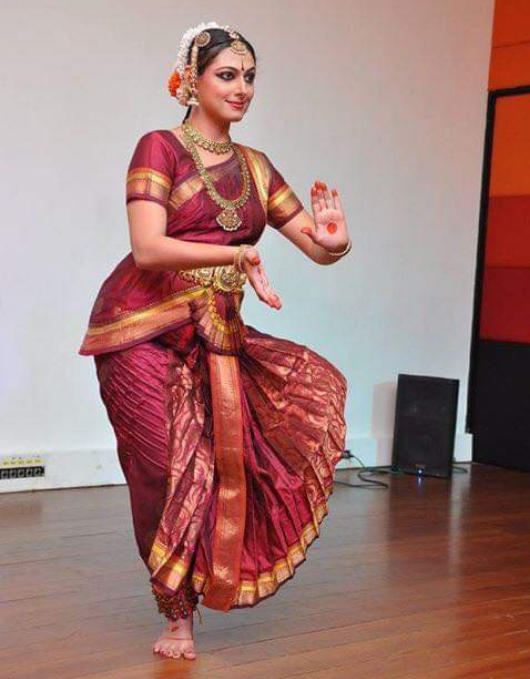
Worship of the Divine Feminine
The Margam Tradition
- Choreography : Guru Dr.Sucheta Chapekar
- Performance Type : Solo Bharatnatyam
- Number of Musicians : 4 to 6
- Music : Live or Recorded
- Duration : 1 hour 30 minutes
- Premiere (Location) : Mumbai - India
- Year : 2015
- Other Location : Colombo- Srilanka, Mumbai-India
The Meaning: Worship of Parvati
Parvati in Her Many Forms
The Divine Consort – The performance portrays Parvati as the wife of Lord Nataraja, the cosmic dancer, and as Shiva Kama Sundari—the beautiful beloved of Lord Shiva. Here lies a fascinating paradox: how does a goddess navigate life with a husband who is the ultimate ascetic, a great Yogi detached from worldly pleasures? Through expressive abhinaya, the recital explores this tender, complex relationship—showing Parvati’s devotion, patience, and her unique ability to connect with the divine while maintaining her earthly bond.
The Fierce Warrior – As Mahishasura Mardini, Parvati transforms into the formidable warrior goddess who vanquishes the buffalo demon. This section showcases the fierce, protective aspect of the Divine Feminine—the shakti (power) that destroys evil and restores cosmic balance.
The Nava Durga: Nine Sacred Forms – A highlight of the recital is the depiction of Nava Durga—the nine forms of Goddess Durga worshipped during the festival of Navratri. Each form represents a distinct manifestation of divine energy, celebrated on successive days:
1.Shailaputri
2.Brahmacharini
3.Chandraghanta
4.Kushmanda
5.Skandamata
6.Katyayani
7.Kaalratri
8.Mahagauri
9.Siddhidatri
Through intricate choreography, the performance brings these nine sacred forms to life, each with its unique iconography and spiritual significance.
The Nurturing Mother
Perhaps the most touching dimension is Parvati seen through human eyes—as the mother of Lord Ganesha and Lord Kartikeya. How does the Divine Mother relate to her children? What emotions, joys, and concerns does she experience? This section humanizes the goddess, making her relatable and deeply moving, showing that even divine beings embody the tenderness and complexity of motherhood.
Artistic Lineage
Innovation within Tradition
Performance Journey